

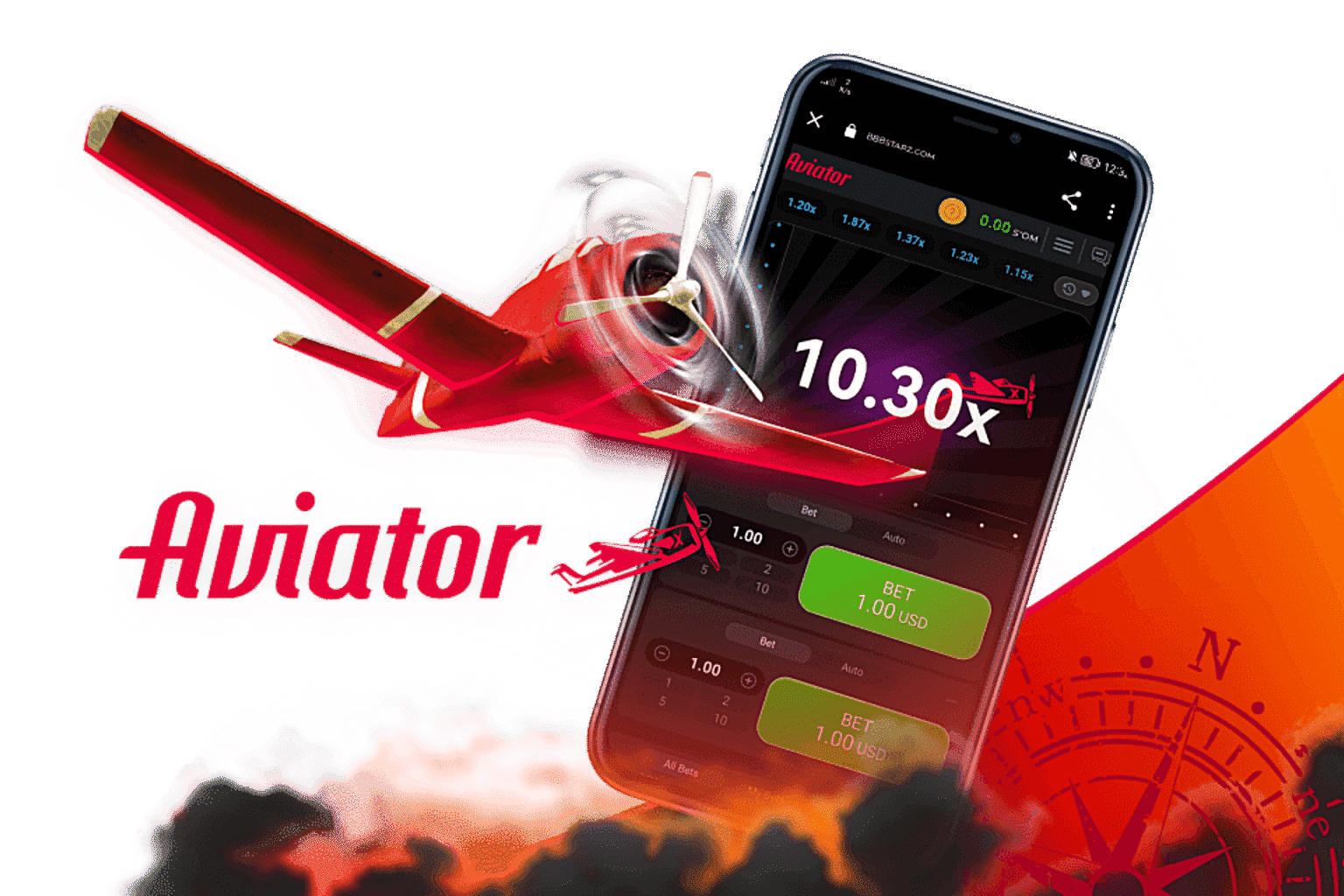
If you play aviator game, you know the chat is where the action happens. It’s where players exchange the thrill of a close win or complain over a crash. But that chat can also become negative fast. For Canadian players, the language filter isn’t just an extra. It’s a core piece of safety gear. Let’s look at how Aviator Games employs its chat moderation to create a respectful space. We’ll explain how it functions and why it’s designed the way it is for Canada.
Impact on the Gaming Experience
A number of players worry that chat filters curb free speech. In a regulated space like this, the result is frequently the contrary. Defined boundaries can make communication feel freer and relaxed. Gamers realize they aren’t exposed to racial slurs or vicious attacks the instant they join the chat. That sense of safety makes the social side more pleasant. It can assist in building a more robust, more amicable community surrounding the game. The encounter becomes focused on sharing the peaks and valleys of the game, rather than enduring a verbal battlefield.
How the Filter Operates
The system works by using a blend of banned word lists and smart context-checking. It checks every typed message in real time, comparing it to a constantly updated database of banned terms and patterns. This covers clear profanity, but also hate speech, discrimination, and personal attacks. It’s sophisticated enough to spot common tricks, like deliberate misspellings or using symbols instead of letters. When the filter detects something, the message usually gets blocked. The person who sent it might get a warning, too.
Shielding Vulnerable Players
A essential safety job is safeguarding minors or more at-risk players. The game itself is age-gated, but the chat is a likely weak spot. It could be used for grooming or to present players to very harmful material. The filter’s strict settings seek to reduce this risk down as much as possible. This establishes a necessary shield. It lets social interaction happen while dramatically lowering the chance of real psychological harm. It’s a core part of running a accountable platform.
Tailoring for the Canadian-specific Context
A solid filter is not generic. The one in Aviator Games appears built for Canadian specifics. It probably watches for violations in both English and French, including local local slang or insults. It also has to respect Canada’s multicultural society. Language that attacks ethnic or religious groups receives a hard ban. This local tuning is precisely what changes a simple tech tool into a real guardian of community standards for Canadian players.
Responsibility and Brand Image
For Aviator Games, a powerful language filter is an commitment in its own name and the trust players place in it. In Canada’s crowded online gaming market, a platform’s dedication to safety sets it apart. This tool conveys a clear message. It assures players and regulators that the company is earnest about its social duties. It cultivates player loyalty by showing that their well-being matters as much as their entertainment. This ethical approach isn’t just good ethics. It’s smart business in a market that cares security.
The language filter in Aviator Games for Canadian players is a complex, crucial piece of the framework. It blends automated tech with human judgment to maintain community rules and the law. It isn’t flawless, but it’s vital. It establishes a safer space where the social part of the game can grow without putting players at risk. In the end, it demonstrates a clear understanding: a positive community is key to the game’s long-term success and its good name.
The Main Goal of Chat Moderation
The primary aim is simple: ensure the community positive. An open, unmoderated chat often becomes toxic. That alienates players and can even lead to legal trouble. The filter is the initial safeguard. It systematically scans for harmful content and blocks it before anyone else sees it. This proactive step helps keep the game’s focus where it should be: on the excitement of play, not on addressing harassment.
Limitations of Automated Systems
Let’s be realistic: no automated filter is perfect. These systems can prove clumsy. Sometimes they catch harmless words that just contain a flagged string of letters. On the other hand, clever users occasionally find new ways to sneak bad content past the filters using creative phrasing or code words. The tech also is unable to really understand sarcasm or tone. So, while the automatic filter catches most problems, it works best as part of a bigger team. That team incorporates player reports and actual human moderators for the tricky cases.
Compliance with Canadian Regulations
Running a game in Canada means complying with Canadian law. The country has stringent rules about online harassment, hate speech, and safeguarding minors. Aviator Games’ language filter is a significant part of meeting that duty of care. By stopping illegal content from disseminating, the platform lowers its own risk and shows it takes Canadian law seriously. This is a must-do. Federal and provincial rules for interactive services make compliance a basic part of the design for the Canadian market.
User Reports and Human Oversight
Because automated systems has blind spots, Aviator Games adds a player reporting button. If a inappropriate message slips through, or if someone is causing trouble, players can report it. These reports are sent to human moderators. These people can read the context and use discretion that an algorithm just doesn’t have. This two-layer system—machine filtering plus human review—builds a much stronger safety net. It offers the community a role in maintaining order and makes sure that intricate or recurring issues receive the proper attention.
Leave a Reply